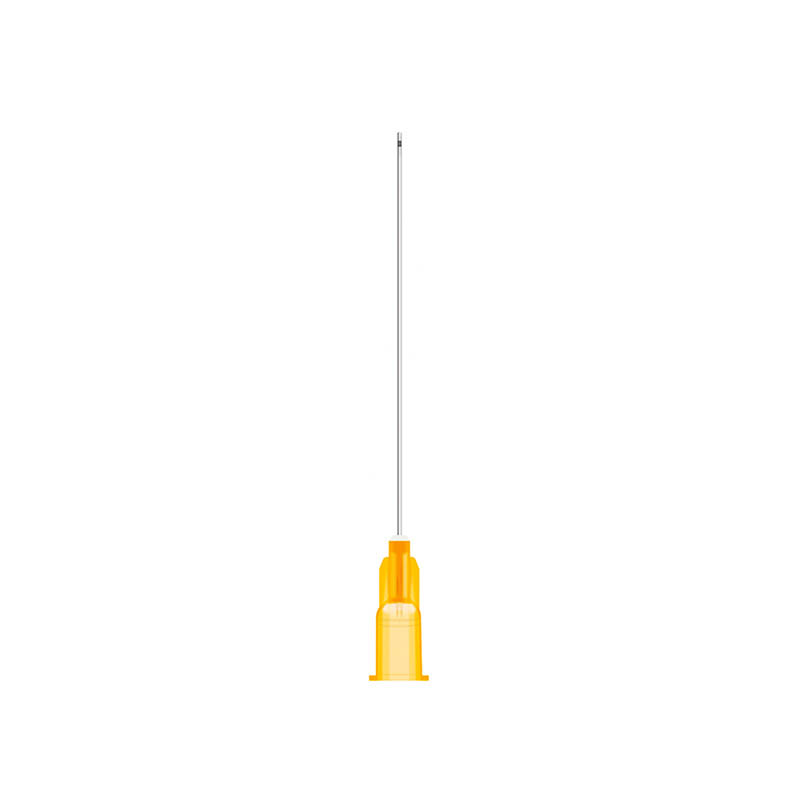
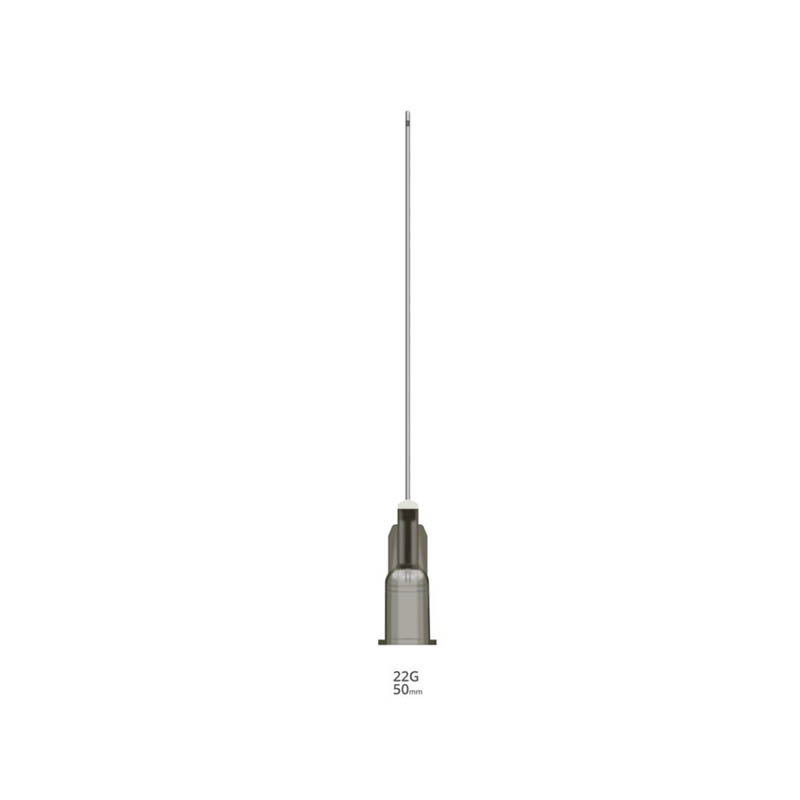
SOFTFIL® PRECISION Micro-Cannula 22G/50mm
Brand: FUTURO
SOFTFIL® PRECISION Micro-Cannula 22G/50mm
9 products sold in last 18 hours
Selling fast! Over 19 people have in their cart
30 people are viewing this right now
- Estimated Delivery : 2-3 working days ( some product can take longer)
- Shipping & Returns: Flat shipping charge of AED 15 for all UAE orders
Manufacturing Information for Softfil Precision Micro-Cannula 22G/50mm Softfil, a globally recognised brand, manufactures the Precision Micro-Cannula range in France. Other products in the Softfil Precision Micro-Cannula range include: Softfil Precision Micro-Cannula 25G/60mm: Designed for deeper injections in larger areas. Softfil Precision Micro-Cannula 22G/40mm: Offers precise delivery of thicker fillers. Softfil Precision Micro-Cannula 30G/25mm: Ideal for delicate areas with fine filler applications. Softfil Precision Micro-Cannula 25G/50mm: Versatile option for various facial areas. Softfil Precision Micro-Cannula 25G/40mm: Optimised for precise injections in sensitive areas. Expected Benefits and Results of the Treatments Using Softfil Precision Micro-Cannula 22G/50mm provides multiple benefits: Reduced bruising and swelling: Minimises trauma to blood vessels. Increased patient comfort: Blunt-tip design allows for smoother injections. Precise filler placement: Enhances aesthetic results with improved control. Lower risk of vascular complications: Safer alternative to sharp needles. Enhanced tissue integration: Provides natural-looking results. Softfil Precision Micro-Cannula 22G/50mm Materials and Device Properties The Softfil Precision Micro-Cannula is made from high-quality materials to ensure durability and safety: Stainless steel: Ensures flexibility, resistance, and precision in applications. Polyethylene: Provides a smooth, biocompatible surface to reduce friction. Device properties: Blunt-tip design: Minimises tissue trauma and improves safety. Flexible micro-cannula: Enhances precision for optimal filler distribution. Pre-hole needle included: Allows for easy entry-point creation. Included Items or Accessories Each package of cannulas and needles contains: 20 pre-hole needles: Designed for precise entry-point creation. 20 sterile, single-use micro-cannulas: Ensures safety and hygiene in procedures. Application Method for Softfil Precision Micro-Cannula 22G/50mm To ensure optimal performance, follow these steps: Pre-procedure: Inspect the packaging for sterility and integrity. Clean and disinfect the treatment area. During procedure: Open the sterile packaging carefully. Attach the micro-cannula to a pre-filled syringe. Use the included pre-hole needle to create an entry point. Insert the micro-cannula through the entry site and administer filler gradually. Post-procedure: Dispose of used items in a designated sharps container. Apply antiseptic if necessary and inform the patient about aftercare. Guidelines for Proper Aftercare Patients should follow these aftercare instructions: Avoid touching the treated area for at least 6 hours. Do not apply makeup for 24 hours to prevent infection. Avoid intense physical activity for 24-48 hours. Stay hydrated to promote better filler integration. Apply cold compresses if minor swelling occurs. Follow up with the practitioner if any unusual reactions occur. Duration of Softfil Precision Micro-Cannula 22G/50mm Each micro-cannula is to be used only once and discarded afterwards according to protocols on eliminating medical waste. Potential Risks and Side Effects While Softfil Precision Micro-Cannula 22G/50mm is designed to minimise trauma and ensure safer injections, some side effects may still occur. These include: Bruising: Minor to moderate bruising at the injection site due to tissue manipulation. Swelling: Temporary swelling around the treated area, which usually subsides within a few days. Redness: Mild irritation or redness at the injection site. Pain or discomfort: Some patients may experience temporary sensitivity or tenderness in the treated area. Bleeding: Minor bleeding may occur when creating the entry point with the pre-hole needle. Infection: Though rare, improper injection technique or poor aftercare may lead to infection. Lumps or uneven texture: Filler may settle unevenly, requiring massage or correction. Delayed hypersensitivity reactions: Some patients may develop redness, swelling, or small nodules weeks or months after treatment. Vascular occlusion: If improperly administered, filler may enter a blood vessel, leading to complications like tissue necrosis. Nerve irritation or damage: Rare cases may involve temporary numbness or tingling due to nerve compression. Allergic reactions: Though uncommon, patients may have sensitivity to filler components or cannula materials. Skin discolouration: Temporary pigmentation changes, including blanching or darkening of the skin. Prolonged swelling or bruising: In some cases, side effects may last longer than expected due to individual healing responses. Softfil Precision Micro-Cannula 22G/50mm Treatment Contraindications This treatment is not suitable for certain individuals due to potential health risks. The following conditions and situations contraindicate the use of Softfil Precision Micro-Cannula 22G/50mm: Active skin infections or inflammation: Patients with bacterial, viral, or fungal infections in the treatment area should avoid injections. Bleeding disorders or blood-thinning medication use: Individuals with haemophilia, thrombocytopenia, or those taking anticoagulants (e.g., warfarin, aspirin) have a higher risk of excessive bleeding and bruising. Allergic reactions to filler components or cannula materials: Patients with known hypersensitivity to stainless steel, polyethylene, or filler ingredients should not undergo the procedure. Pregnant or breastfeeding individuals: There is insufficient research on the safety of dermal fillers during pregnancy and lactation. Autoimmune diseases or immunosuppressive conditions: Patients with lupus or rheumatoid arthritis or those undergoing immunosuppressive therapy may have an increased risk of complications. History of severe scarring or keloids: Individuals prone to excessive scar formation may experience poor healing or unsatisfactory cosmetic results. Uncontrolled diabetes: Poor circulation and delayed wound healing in diabetic patients may increase the risk of infection or complications. Recent dermal procedures or treatments: Patients who have recently undergone chemical peels, laser resurfacing, or other skin treatments should wait until the skin has fully healed. Neuromuscular disorders: Conditions such as myasthenia gravis or muscular dystrophy may interfere with the injection process or healing. Compromised immune system: Individuals undergoing chemotherapy or radiotherapy or with chronic infections should consult a specialist before considering treatment. Active cold sores (herpes simplex virus): Injection procedures can trigger flare-ups or spread the virus to other areas. Recent vaccinations: Patients who have received vaccines or immunotherapy within two weeks before the procedure should wait to reduce the risk of adverse reactions. Psychological disorders or body dysmorphia: Patients with unrealistic expectations or psychological conditions affecting self-image should undergo thorough consultation before treatment. Severe allergies or anaphylaxis history: Those with a history of severe allergic reactions should proceed with caution and may require a prior allergy test. Recent surgery in the treatment area: Patients who have undergone recent surgical procedures should wait until full recovery before aesthetic injections.
Related products
-
-
BIOMEDICO 30G – 12mm
$ 25.74 -
MESO-RELLE® 32G – 4mm
$ 60.74 -
MESO-RELLE® 32G – 6mm
$ 60.74 -
BIOMEDICO 30G – 4mm
$ 33.98