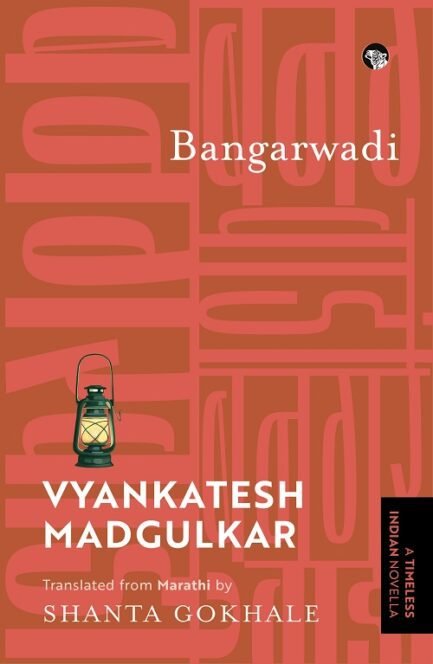
Bangarwadi (Translation) – Vyankatesh Madgulkar and Shanta Gokhale
Brand: FUTURO
Bangarwadi (Translation) – Vyankatesh Madgulkar and Shanta Gokhale
9 products sold in last 18 hours
Selling fast! Over 19 people have in their cart
30 people are viewing this right now
- Estimated Delivery : 2-3 working days ( some product can take longer)
- Shipping & Returns: Flat shipping charge of AED 15 for all UAE orders
DescriptionAt the edge of a parched upland, Bangarwadi lies almost empty—its shepherds gone with their flocks, its school forsaken to dust and birds. To take charge of this neglected school and unforgiving landscape arrives a young schoolteacher, uncertain of his place and unsure whether learning and education has any meaning in this community at all.Through his gradual immersion in village life, Vyankatesh Madgulkar offers a deeply attentive portrait of a community shaped by toil, hunger, and inherited rhythms of survival. The story unfolds through small, intimate encounters—under an ancient neem tree, in a bare classroom, during night-time gatherings lit only by an oil lamp—revealing the moral codes, affections, cruelties, and quiet solidarities that hold the village together. The shepherds’ world, resistant to authority yet governed by its own order, emerges with remarkable clarity and restraint.First published in Marathi in 1955, Bangarwadi is regarded as a landmark in post-independence Marathi literature. It is an unsentimental yet deeply compassionate portrait of rural India that examines education not as an abstract ideal but as a fragile, negotiated presence in lives shaped by necessity. This lucid translation by Shanta Gokhale brings Madgulkar’s classic to contemporary readers, preserving its austere beauty and its enduring meditation on belonging, responsibility, and the slow work of trust.